Zinc Figures
12 figures issues de recherches évaluées par des pairs
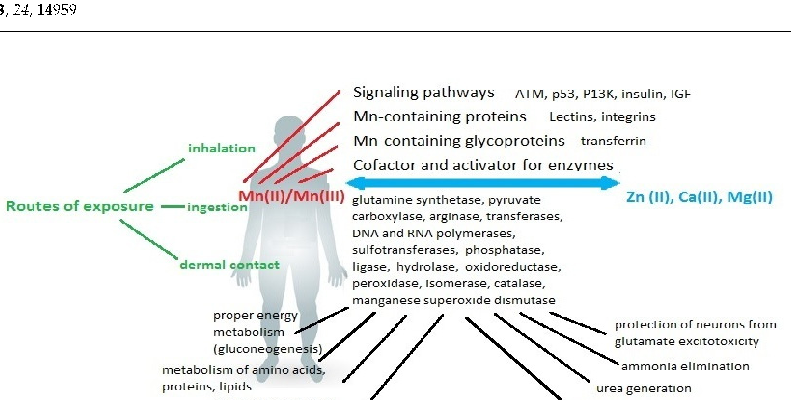
Neurological consequences of chronic manganese exposure are summarized, including cognitive impairment, motor dysfunction, and emotional disturbances. The symptoms collectively termed manganism share clinical features with Parkinson's disease.
Consequences of Disturbing Manganese Homeostasis.
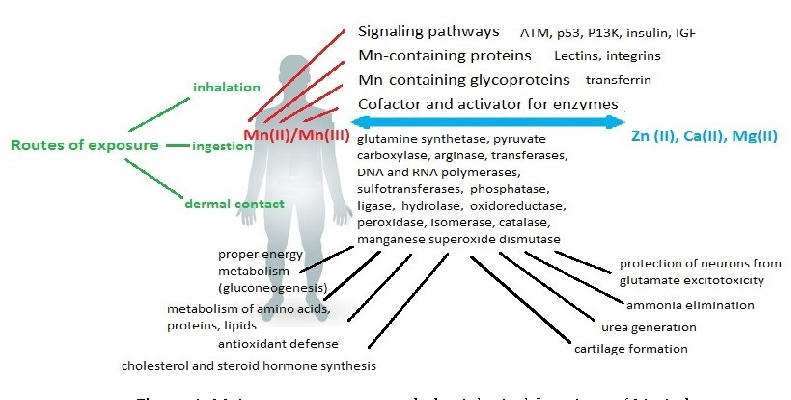
Manganese's dual role as both essential nutrient and potential toxin is explored through its effects on enzymatic systems. Superoxide dismutase, arginase, and glutamine synthetase all require manganese as a cofactor for normal function.
Consequences of Disturbing Manganese Homeostasis.
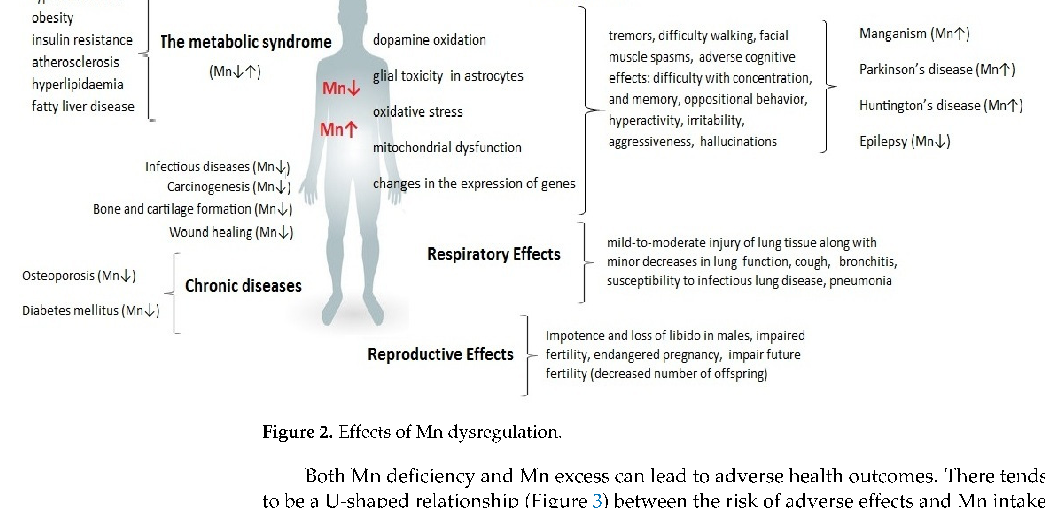
A comprehensive diagram maps the systemic effects of manganese dysregulation across multiple organ systems. Both deficiency and excess disrupt metabolic processes, with the nervous system being particularly vulnerable to manganese imbalance.
Consequences of Disturbing Manganese Homeostasis.
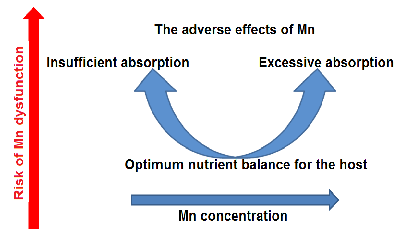
The U-shaped dose-response curve for manganese illustrates that both deficiency and excess are associated with adverse health outcomes. An optimal range exists where manganese fulfills its essential cofactor roles without triggering neurotoxic or systemic damage.
Consequences of Disturbing Manganese Homeostasis.
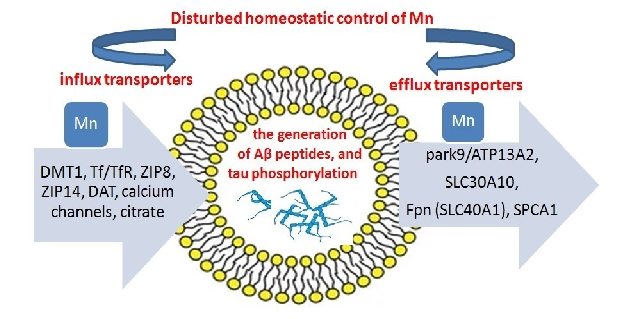
A model of manganese transport imbalance depicts the interplay between uptake, distribution, and excretion mechanisms. Disruption of transporters such as SLC30A10 and SLC39A14 can lead to pathological manganese accumulation in target tissues.
Consequences of Disturbing Manganese Homeostasis.
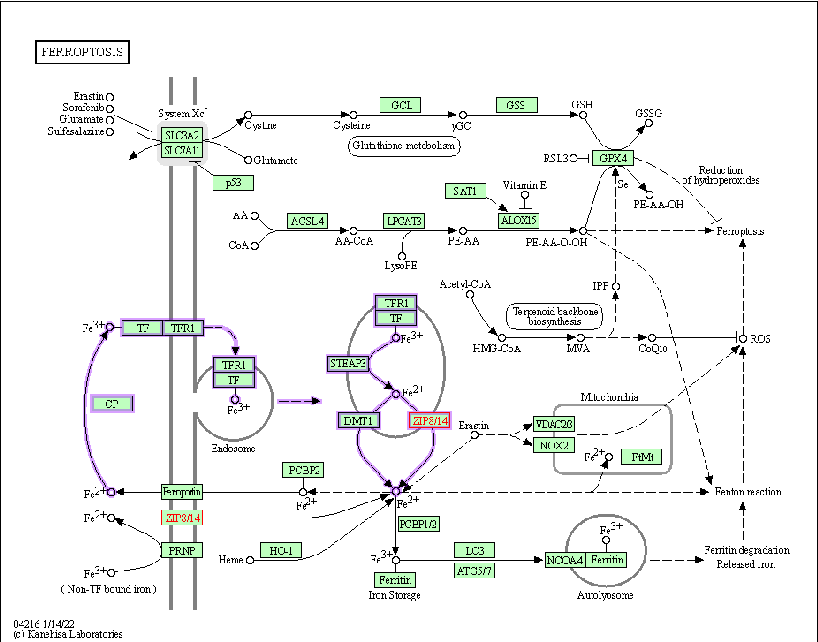
Supplementary or concluding data on manganese homeostasis consequences are presented. The review emphasizes that maintaining manganese within a narrow physiological range is critical for preventing both deficiency-related enzyme dysfunction and toxicity-related neurodegeneration.
Consequences of Disturbing Manganese Homeostasis.
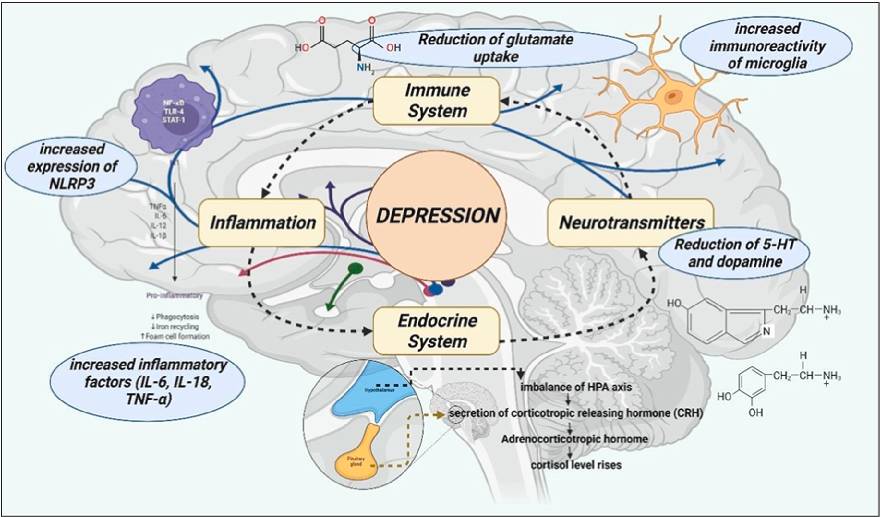
Brain insulin resistance mechanisms underlying depression are depicted, showing how HPA axis dysregulation, reduced anterior cingulate cortex volume, and impaired hippocampal function contribute to the condition.
A review on linking stress, depression, and insulin resistance via low-grade chronic …
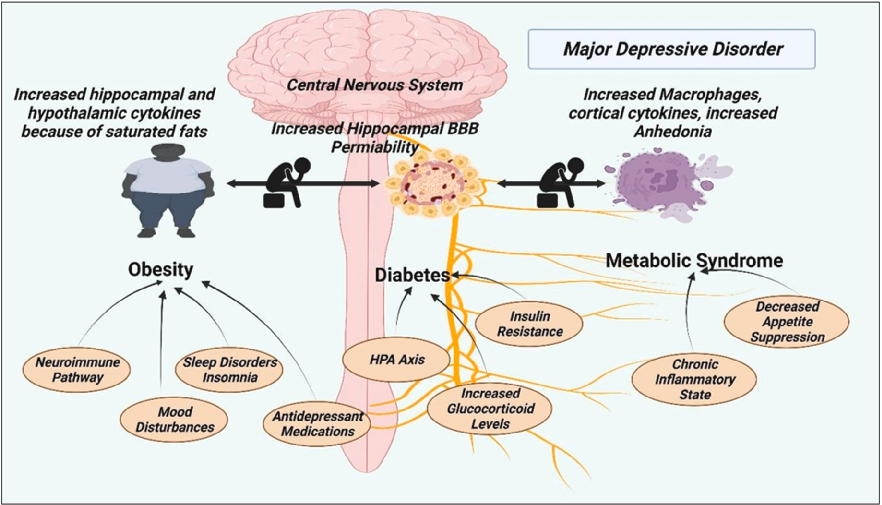
Obesity, diabetes, and metabolic syndrome are illustrated as metabolic diseases that commonly coexist with depression, highlighting their shared pathophysiological mechanisms through chronic low-grade inflammation.
A review on linking stress, depression, and insulin resistance via low-grade chronic …
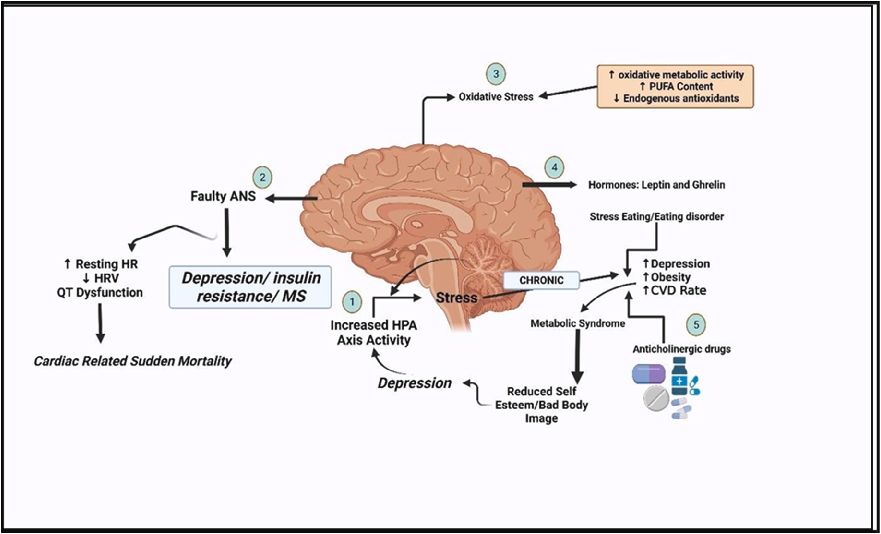
Molecular pathways connecting stress-induced inflammation to insulin resistance are detailed, tracing how inflammatory signaling cascades impair insulin receptor substrate phosphorylation.
A review on linking stress, depression, and insulin resistance via low-grade chronic …
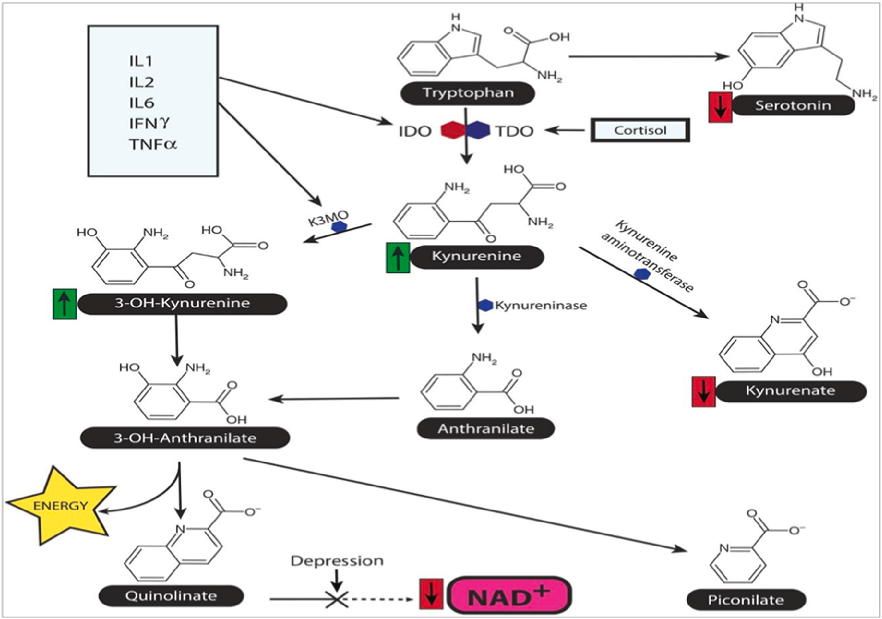
Bidirectional relationships between depression and metabolic disturbances are outlined, showing how each condition exacerbates the other through shared inflammatory and neuroendocrine mechanisms.
A review on linking stress, depression, and insulin resistance via low-grade chronic …
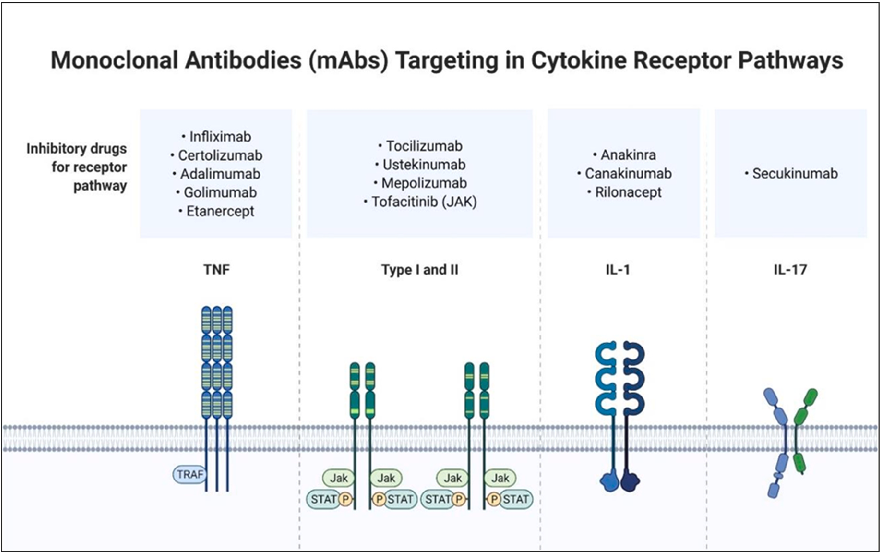
Treatment options for major depressive disorders are presented, including pharmacological, psychological, and lifestyle interventions that address the inflammatory-metabolic axis.
A review on linking stress, depression, and insulin resistance via low-grade chronic …
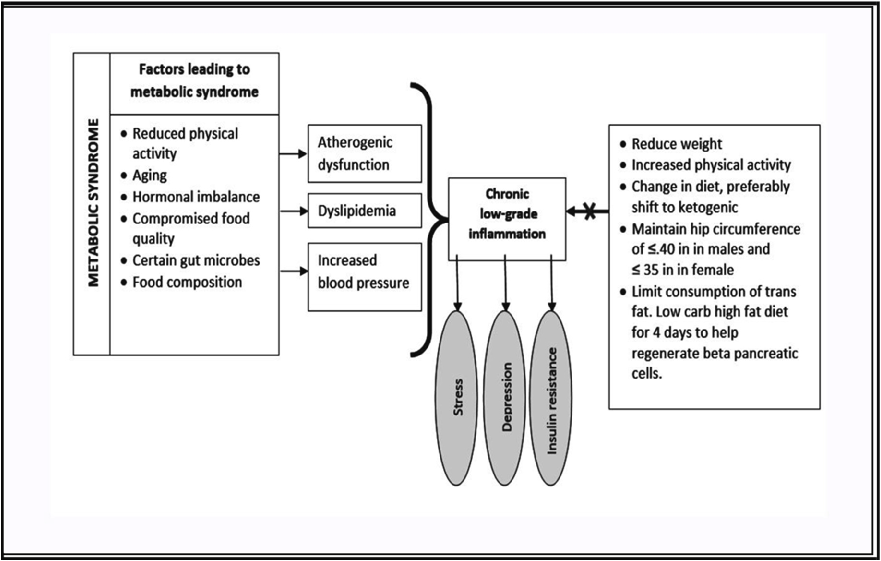
A schematic representation maps the factors contributing to metabolic syndrome alongside corresponding dietary and lifestyle modifications that may alleviate these conditions, integrating evidence on stress management and anti-inflammatory nutrition.
A review on linking stress, depression, and insulin resistance via low-grade chronic …